
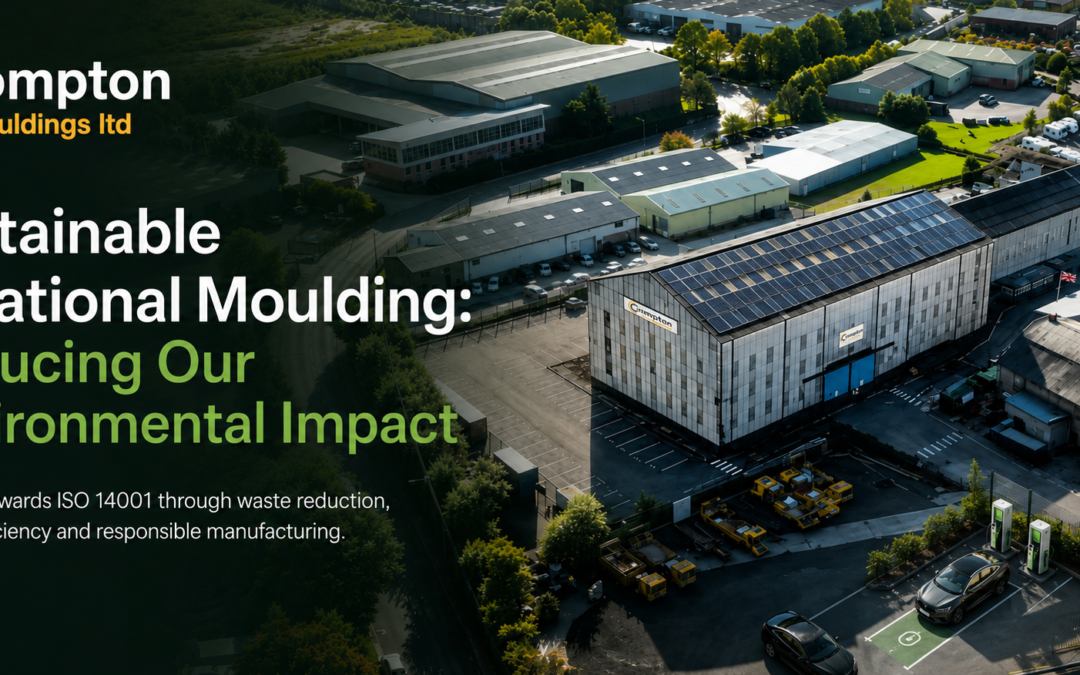
At Crompton Mouldings, sustainability is not treated as a separate initiative or a box-ticking exercise. It is becoming an increasingly important part of how we manage our site, materials, energy use and wider environmental responsibilities.
These efforts form part of our work towards achieving ISO 14001 certification, the internationally recognised standard for environmental management systems. We do not currently hold ISO 14001 certification, but we are actively developing the processes, controls and monitoring needed to support that ambition.
We recognise that plastics manufacturing is not always viewed as environmentally friendly. Within our industry, this perception can sometimes discourage businesses from pursuing environmental improvements or formal certification. Our view is different. Although the nature of our manufacturing process presents environmental challenges, there are still many practical steps that can be taken to reduce waste, improve efficiency and limit environmental impact.
We believe that responsibility begins with understanding the impact of our own operations and taking meaningful action wherever improvements can be made.
Responsible Waste Management
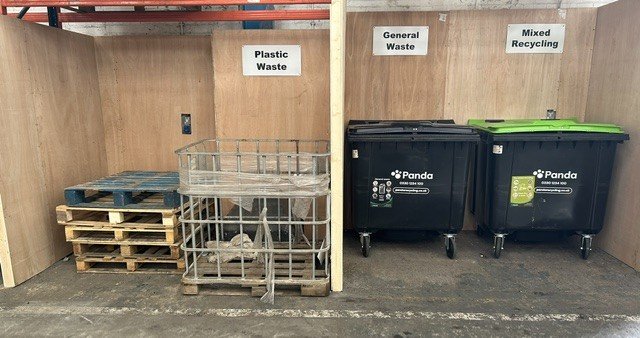
Across our site, we have installed dedicated bins and clearly defined waste-segregation points. These help our employees separate general waste, recyclable materials, packaging and production-related waste consistently and correctly.
A particular focus is placed on plastic waste generated through the rotational moulding process. Where rejected products or excess material are produced, we ensure they are handled responsibly and sent through appropriate recycling or recovery routes wherever possible.
The packaging used for polymer powders and other production materials is also segregated. Rather than automatically treating it as general waste, we work to ensure that it is responsibly recycled or reused whenever suitable routes are available.
Reducing rejected products and avoidable scrap is an important part of this approach. It lowers material consumption, reduces waste and improves operational efficiency while supporting a more competitive and reliable service for our customers.
Monitoring and Reducing Energy Consumption
Rotational moulding is an energy-intensive manufacturing process, particularly because of the heat required within our ovens. For this reason, understanding and controlling our energy consumption is a key part of our environmental improvement work.
We regularly measure and review our gas consumption to identify trends, investigate unusual usage and understand where further efficiencies may be possible.
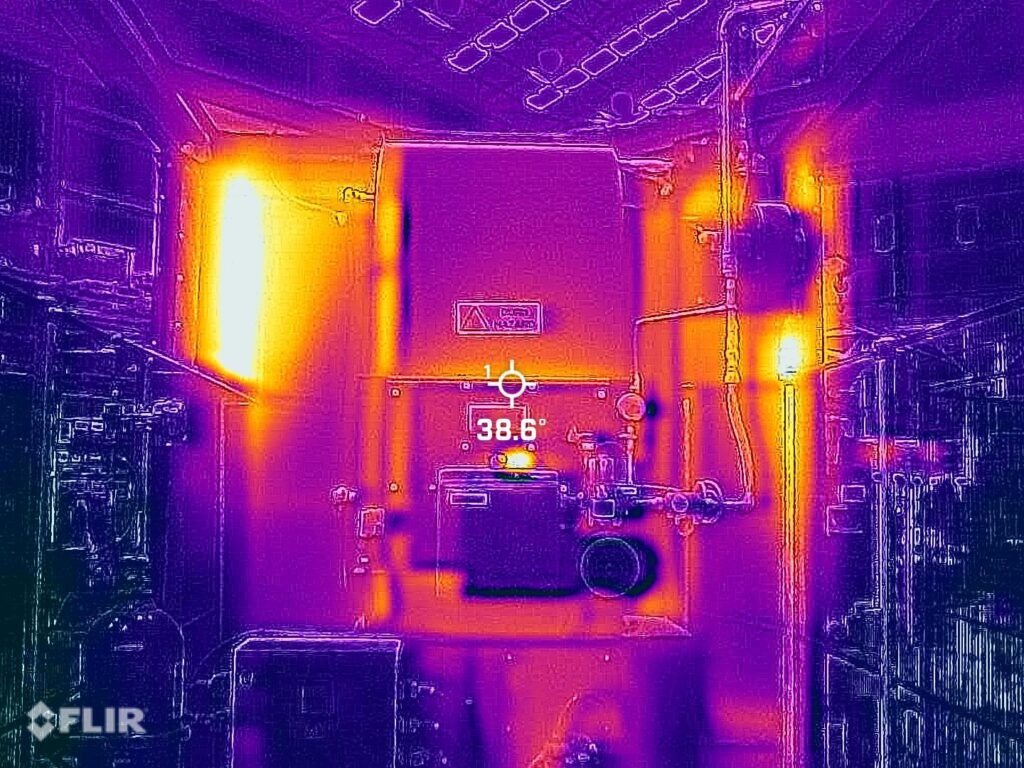
We also inspect our ovens for heat leaks and areas of potential energy loss. Maintaining oven integrity and addressing unnecessary heat loss helps reduce gas consumption, improve process efficiency and lower the carbon dioxide emissions associated with burning fuel.
One of our rotational moulding machines uses hybrid technology, helping to reduce the amount of gas needed during production. By lowering fuel consumption, the machine also reduces the associated carbon emissions compared with relying entirely on conventional gas heating.
These actions allow us to base improvements on measured performance rather than assumptions.
Generating Renewable Electricity
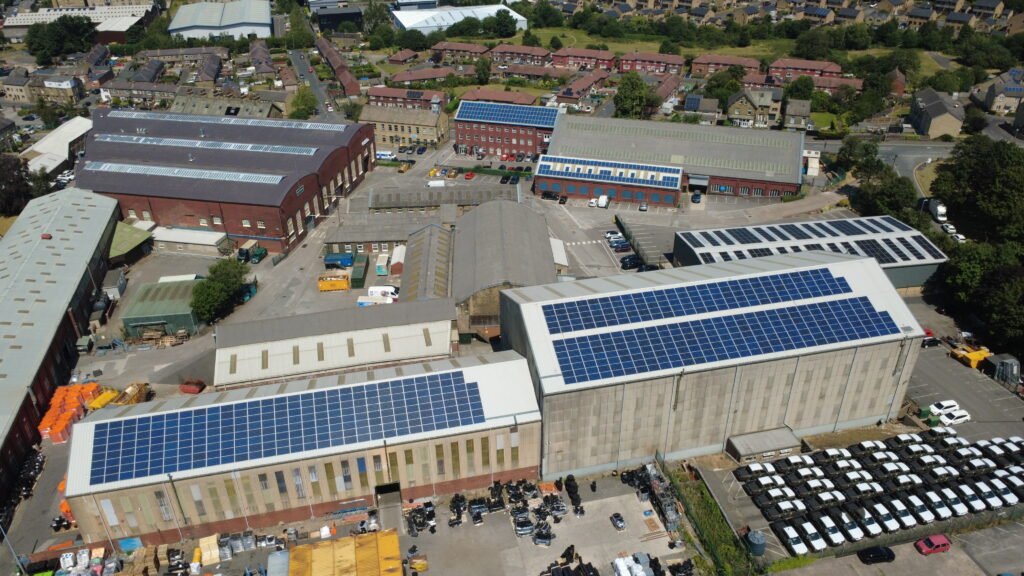
Photovoltaic panels have been installed on the roof of our facility, enabling us to generate renewable electricity on site.
The electricity generated by these panels helps reduce our reliance on power drawn from the grid and supports our wider efforts to lower the environmental impact of our operations.
On-site renewable generation is not a complete solution on its own, but it forms an important part of a broader approach that includes energy monitoring, equipment efficiency, waste reduction and responsible material management.
Supporting Lower-Emission Transport
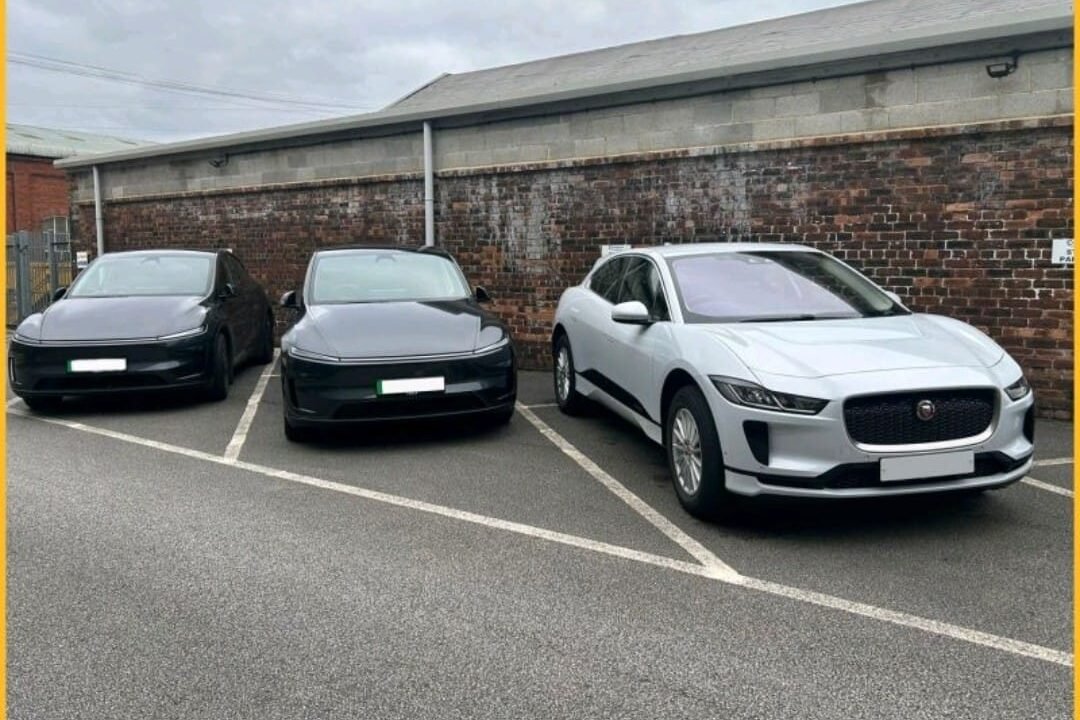
Our environmental efforts also extend beyond the production floor. We operate a fleet of electric company vehicles, helping to reduce the emissions associated with business travel and everyday company transport.
Moving towards electric vehicles is another practical step in reducing our reliance on fossil fuels and improving the environmental performance of the business as a whole.
Working Towards ISO 14001
Achieving ISO 14001 is not simply about obtaining a certificate. It requires a structured approach to identifying environmental impacts, setting objectives, monitoring performance, maintaining controls and demonstrating continuous improvement.
Our current initiatives—including waste segregation, responsible recycling, renewable electricity generation, gas monitoring, oven heat-loss checks, hybrid production technology and electric vehicles—are helping us establish stronger environmental practices across the business.
There is still work to be done, and we are realistic about the environmental challenges associated with manufacturing plastic products. However, we do not believe those challenges are a reason to avoid taking action.
We know that improvements can be made, and we are making them.
Our aim is to ensure that Crompton Mouldings has the lowest practical impact on the environment while continuing to provide the quality, reliability and manufacturing capability our customers require.
For us, sustainability means taking ownership of the materials we use, the energy we consume and the waste we produce. It means measuring our performance, improving our processes and showing that responsible manufacturing is possible—even within an industry that is often viewed as difficult to reconcile with environmental objectives.